La Réunion, 974

    Fishing in its purest form

In Search of Prized Species in the French Southern and Antarctic Lands

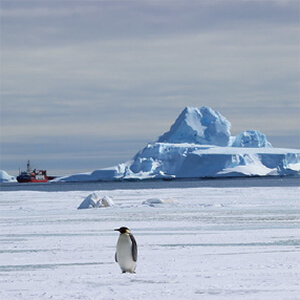
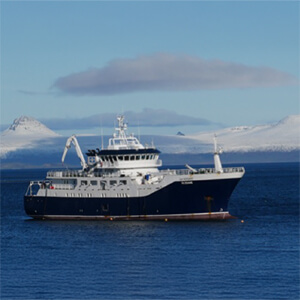
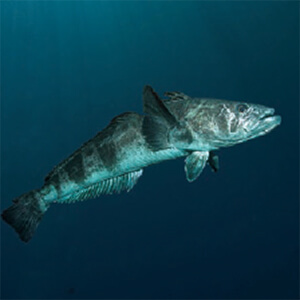
Setting sail from Réunion, the longliner *Cap Kersaint* heads for the waters of the TAAF (French Southern and Antarctic Lands), on the edge of Antarctica. In these hostile waters characterized by extreme weather, it seeks out two exceptional species: Patagonian toothfish and southern spiny lobster.
*Cap Bourbon* conducts its fishing campaigns in three-month rotations, operating within some of the world’s most pristine ecosystems—a rare and fragile environment that must be preserved at all costs. This commitment is reflected daily in the company’s choices regarding technical innovation, fishing practices, and CSR initiatives.
Preserving the resource also means preserving the future of one's profession.

En savoir +
  • 01Fishing
  • 02Logistics
  • 03Processing

Le trajet du Cap Kersaint, de La Réunion aux Terres Australes

Departure from
Réunion
Île de La Réunion

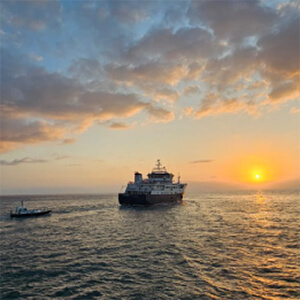
The *Cap Kersaint* is leaving the port of Réunion for the French Southern and Antarctic Lands (TAAF), located between the Roaring Forties and the Howling Fifties. These isolated, volcanic lands with a sub-Antarctic climate are home to an exceptional ecosystem.
Heading for
the Southern Lands

In these waters, Patagonian toothfish and spiny lobster are subject to some of the strictest regulations in the world. Each year, CAP BOURBON receives an individual quota allocated by the administration of the French Southern and Antarctic Lands (TAAF), within the framework of a Total Allowable Catch (TAC) defined by scientists from the National Museum of Natural History (MNHN) and validated by CCAMLR (Commission for the Conservation of Antarctic Marine Living Resources).

Arrival at the Patagonian toothfish fishing grounds: Kerguelen & Crozet

Submerged at depths of over 500 meters, the longlines allow for targeting *Dissostichus eleginoides* specimens of the appropriate size. This selective technique ensures the fish is hauled up alive, guaranteeing its quality. CAP BOURBON selects bait from sustainable, controlled stocks, in keeping with its commitment to environmental respect.

Saint-Paul & Amsterdam Spiny Lobster

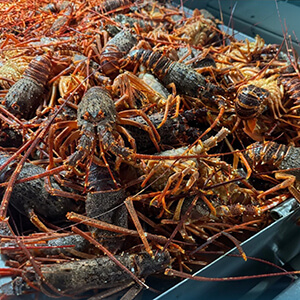
Spiny lobsters are caught using traps during the southern fishing season. This activity takes place concurrently with Patagonian toothfish fishing operations to optimize resources and travel. It is a strictly regulated seasonal activity within the French Southern and Antarctic Lands.
High-quality products resulting from controlled and responsible practices.

On board,
compliance with the rules

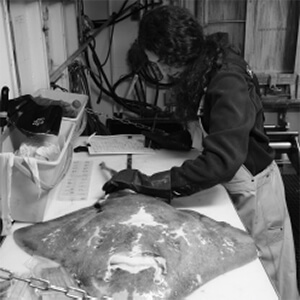
A fisheries inspector embarks on the *Cap Kersaint* for each campaign, ensuring compliance with regulations and the protection of the ecosystem. Data collected on board (catches, tagging) continuously feed into the scientific assessment of fish stocks. Fisheries surveys supplement this monitoring every three to four years to allow for quota adjustments.

Île Amsterdam Île de St Paul Île de Kerguelen Îles de Crozet
A sustainable
and controlled resource

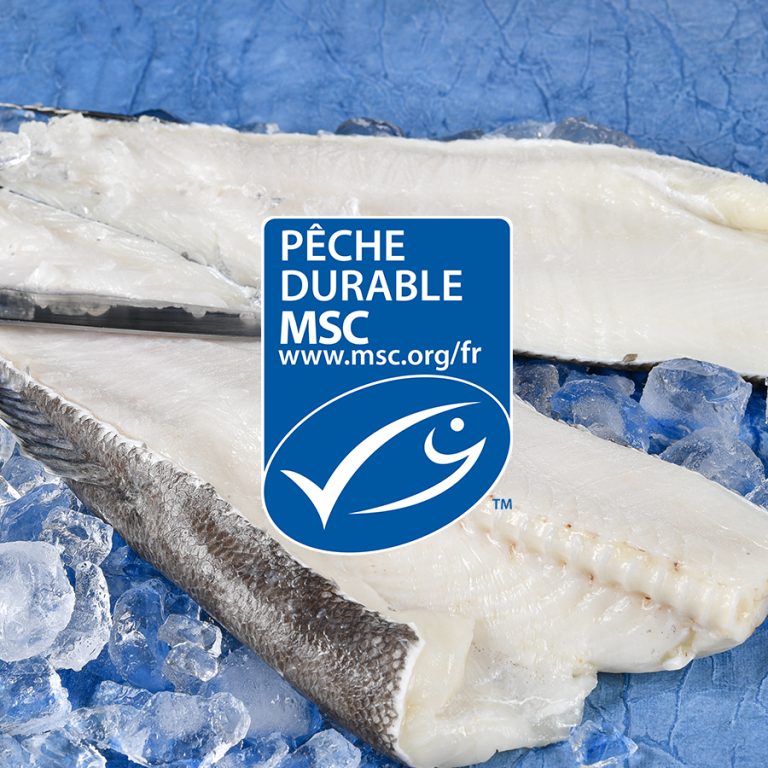
Cap Bourbon holds MSC certification for sustainable fishing. Based on 28 performance indicators, the MSC analysis focuses on three key aspects: the long-term sustainability of fish stocks, the minimization of environmental impact (preserving ecosystem diversity), and an effective management system. MSC-certified toothfish and bait.

Committed to sustainable fishing

Antarctic waters are home to exceptional ecosystems, and their preservation has always been at the heart of the commitment made by CAP BOURBON and all French toothfish fishermen.

Latest news

View all news