


The Patagonian toothfish
(Dissostichus Eleginoides)
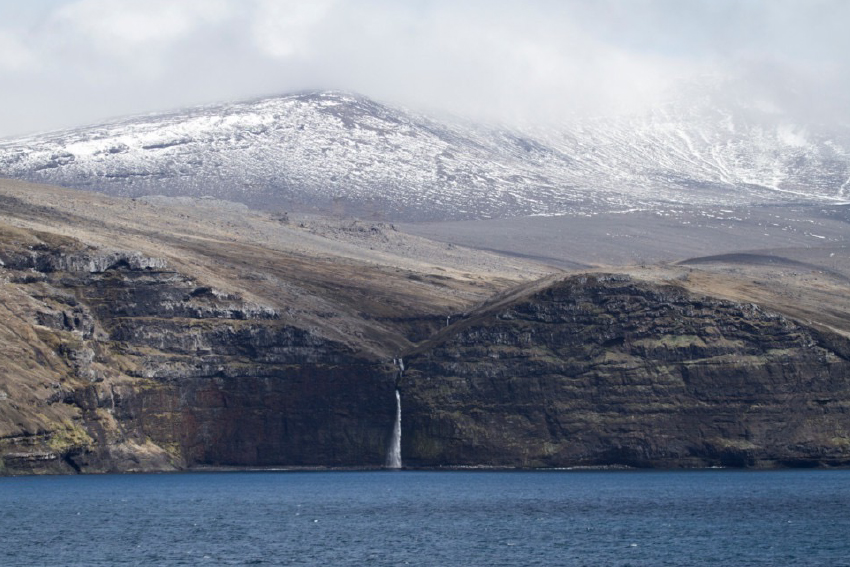
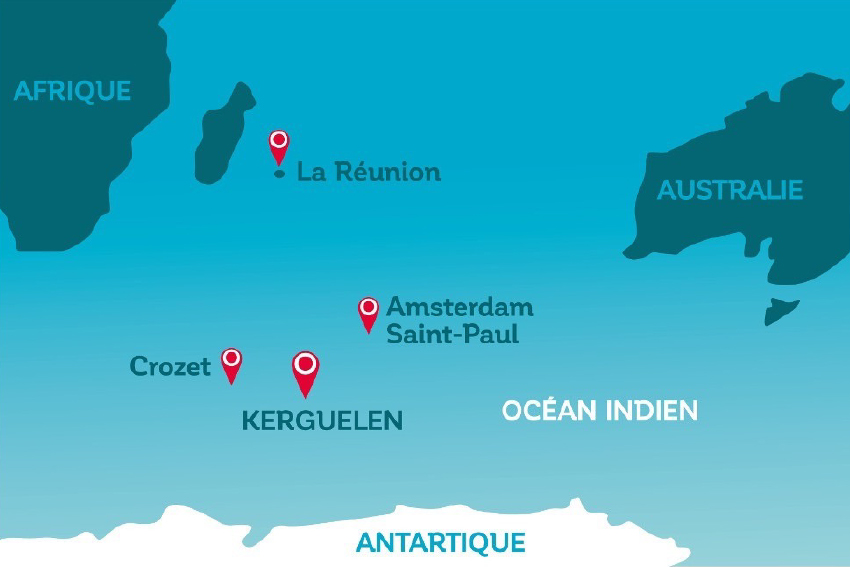
Fishing in the territorial waters of the TAAF began in the mid-20th century. Spiny lobster, Kerguelen hake, and icefish were the primary target species at the time. It was not until the early 1990s, following several exploratory expeditions, that stocks of Patagonian toothfish were identified off Kerguelen and Crozet and harvested—initially by trawling and later by longlining.
After several years of testing and refining techniques and equipment, Reunion-based fishing companies decided in 2000 to pool their efforts and commissioned the Piriou shipyard to build a series of five longliners adapted to the unique conditions of the Southern Ocean—including the *Cap Horn I*, which entered service for CAP BOURBON in 2002.
Equipped with the latest technical innovations, these vessels improve crew comfort and safety while enabling more responsible fishing practices.
United since 2002 within the SARPC (Union of Réunion-based Freezer Longliner Operators), these fishing companies have consistently worked together—and with the administration of the TAAF (French Southern and Antarctic Lands)—to develop this fishery, which is experiencing significant growth. Consequently, Réunion is home to the largest concentration of deep-sea fishing vessels in France.
An exceptional fish
with delicate, melt-in-the-mouth flesh
Chilean sea bass—known as “Mero” in Japan, *Bacalao de profundidad* in Chile, and *Merluza negra* in Argentina—goes by many names, yet one thing remains constant: its exceptional taste!
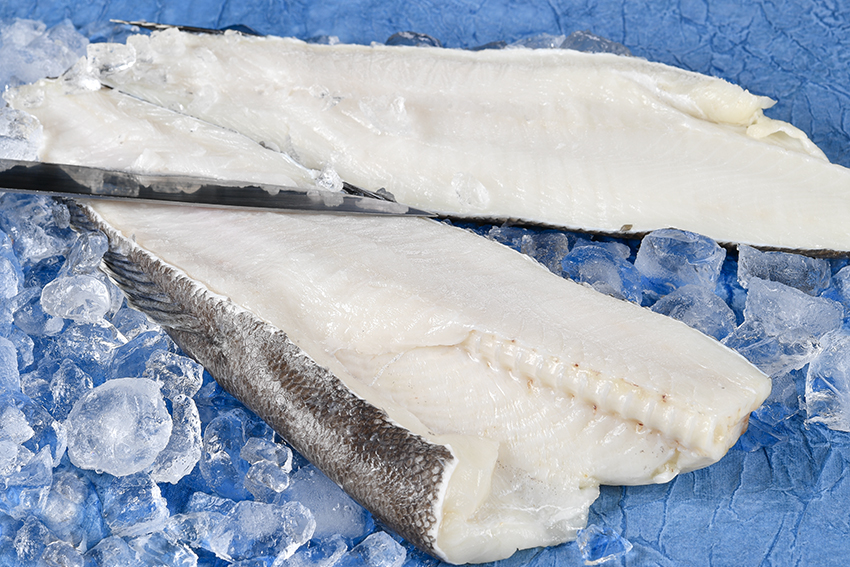
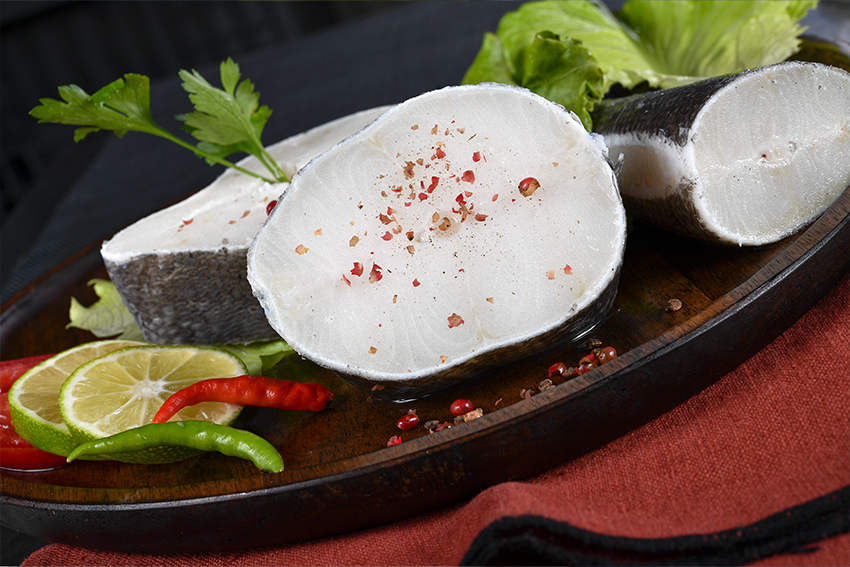
There are two species of toothfish: *Dissostichus mawsoni*, native to the Antarctic continental shelves, and *Dissostichus eleginoides*, found in the waters of the sub-Antarctic islands and commonly known as the Patagonian toothfish.
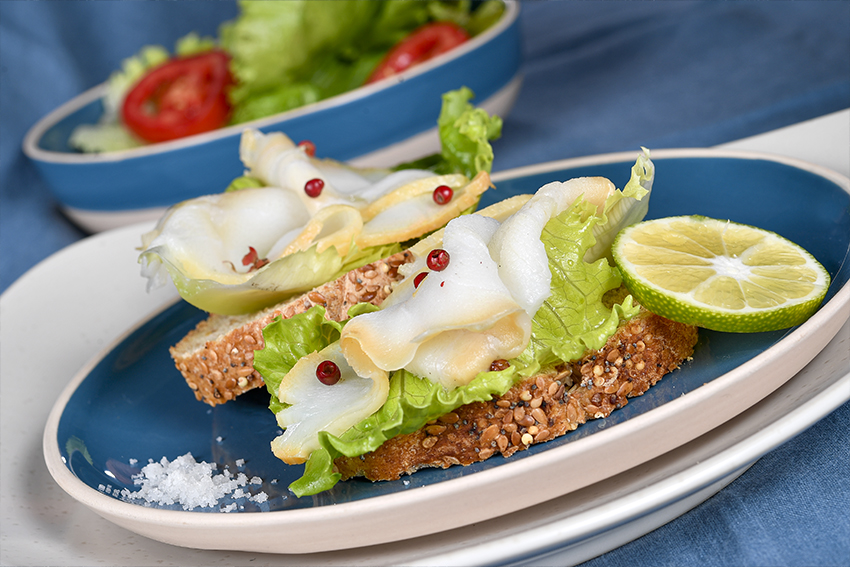
A subtle, refined flavor derived from rich, melt-in-the-mouth flesh. Highly prized by top restaurants worldwide, this delicacy can be enjoyed in many ways: baked, steamed, en papillote, poached, grilled, or roasted. Naturally rich in omega-3 and omega-6 fatty acids—key factors in its immense popularity—Patagonian toothfish provides these unsaturated fatty acids that are essential for the proper functioning of the human body.
Inhabiting depths of 300 to 2,000 meters in the pure, icy waters around the Kerguelen and Crozet Islands, it lacks a swim bladder, and its buoyancy is controlled by the high oil content of its flesh.
During the first stage of its life cycle, it inhabits shallow waters, feeding on crustaceans. Then, as an adult—reaching lengths of up to 2 meters and weights of 80 kg—it descends into deep waters to feed on other fish, such as grenadiers.
Preserving such an exceptional resource requires responsible fishing and high standards for product valorization—core commitments for CAP BOURBON.