

 Fishing Vessel Operation
 Maritime patrol vessels
 Processing
 Cold storage logistics
From Réunion
to the French Southern and Antarctic Lands
Five to seven days’ sail from Réunion, the sailors of CAP BOURBON operate in the heart of a unique sub-Antarctic environment, between the Roaring Forties and the Screaming Fifties.
Aboard the *Cap Kersaint*, they engage in two distinct fisheries during a single campaign: Patagonian toothfish in the Crozet and Kerguelen zones, and Southern spiny lobster around Saint-Paul and Amsterdam.
World first on a fishing vessel
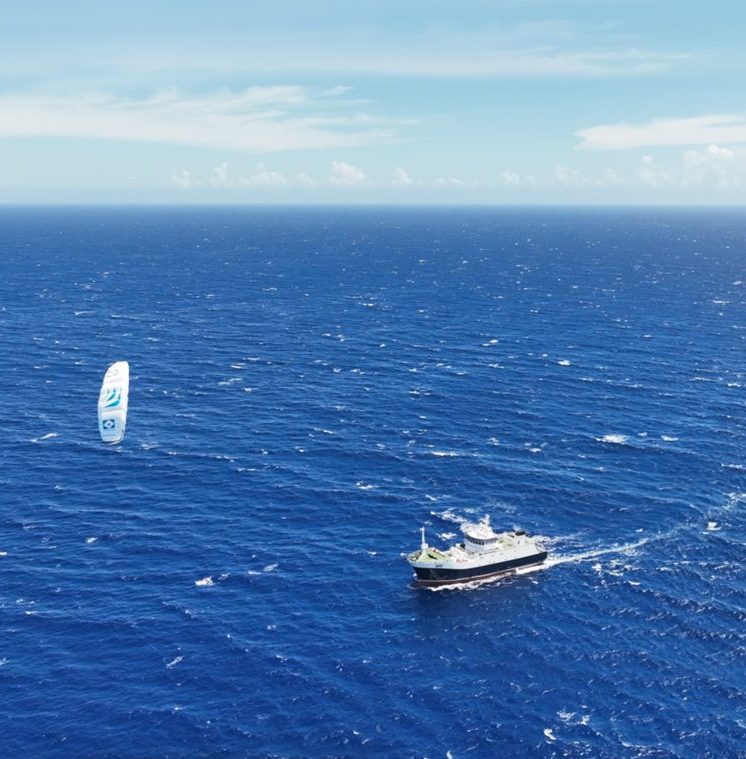
The Cap Kersaint is being equipped with a 100 m² SeaKite.
Developed by Beyond the Sea and designed by sailor Yves Parlier, this automated traction kite harnesses wind energy to assist in propelling the vessel.
Controlled by an intelligent system, the SeaKite reduces the load on the engines, thereby helping to lower fuel consumption and greenhouse gas emissions.
An innovation supporting the decarbonization of fishing operations, reaching even the most remote and challenging areas of the globe.
One season, two fisheries
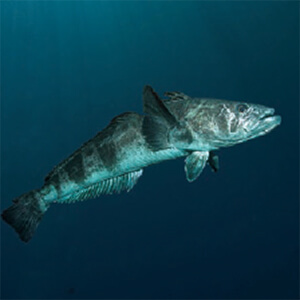
Longline fishing for Patagonian toothfish
(Dissostichus eleginoides)
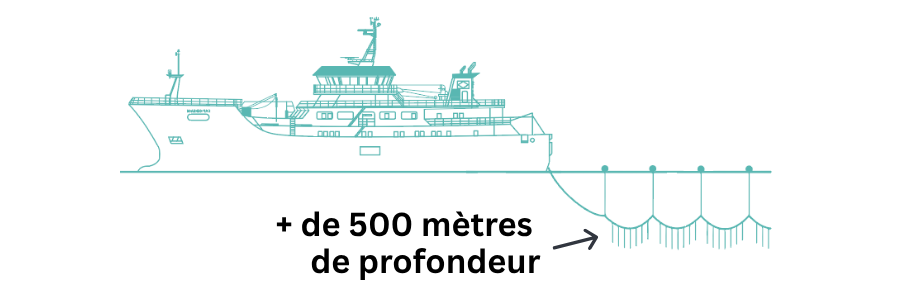
Fishing zone: Crozet and Kerguelen (TAAF)
Patagonian toothfish is caught using bottom longlines. This long line, equipped with branch lines bearing hooks, is deployed at depths of more than 500 meters.
The catch is brought on board, then immediately prepared and frozen to preserve all its qualities.
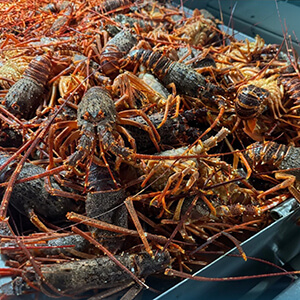
Trap fishing for Lobster
(Jasus paulensis)
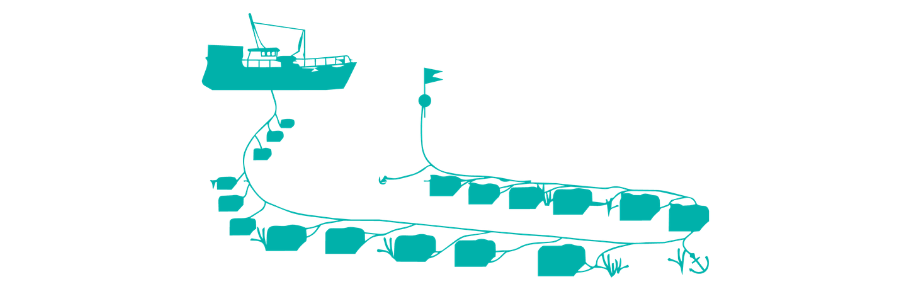
Fishing zone: Saint-Paul, Amsterdam (TAAF)
Southern spiny lobsters are caught using traps. Placed on the volcanic seabed, the traps are subsequently hauled up so that the catch can be sorted by hand on board.
This passive technique enables targeted and selective fishing, limiting impacts on marine habitats.
A STRICTLY REGULATED ACTIVITY
The fishing companies hold quotas allocated annually by the TAAF prefecture, based on a Total Allowable Catch (TAC) defined by scientists from the National Museum of Natural History (MNHN).
Regular monitoring of biomass makes it possible to adjust catch levels. This management also aligns with the conservation measures established internationally by CCAMLR*.
*The Commission for the Conservation of Antarctic Marine Living Resources
CAP BOURBON strives to limit its environmental footprint at every stage:
- use of bait from sustainable stocks;
- rigorous monitoring of catches and discards;
- video surveillance of fishing operations;
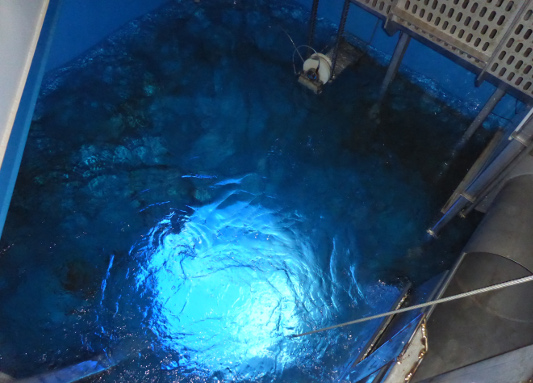
- use of the moon pool**;
- Mandatory presence of a fisheries observer on board during each campaign.
Fishing with precision, managing impacts, and preserving the resource: a priority at the heart of every campaign.
**The moon pool is an opening in the ship’s hull that allows the catch to be brought directly on board under cover, thereby limiting interactions with seabirds during fishing operations. See photo opposite.
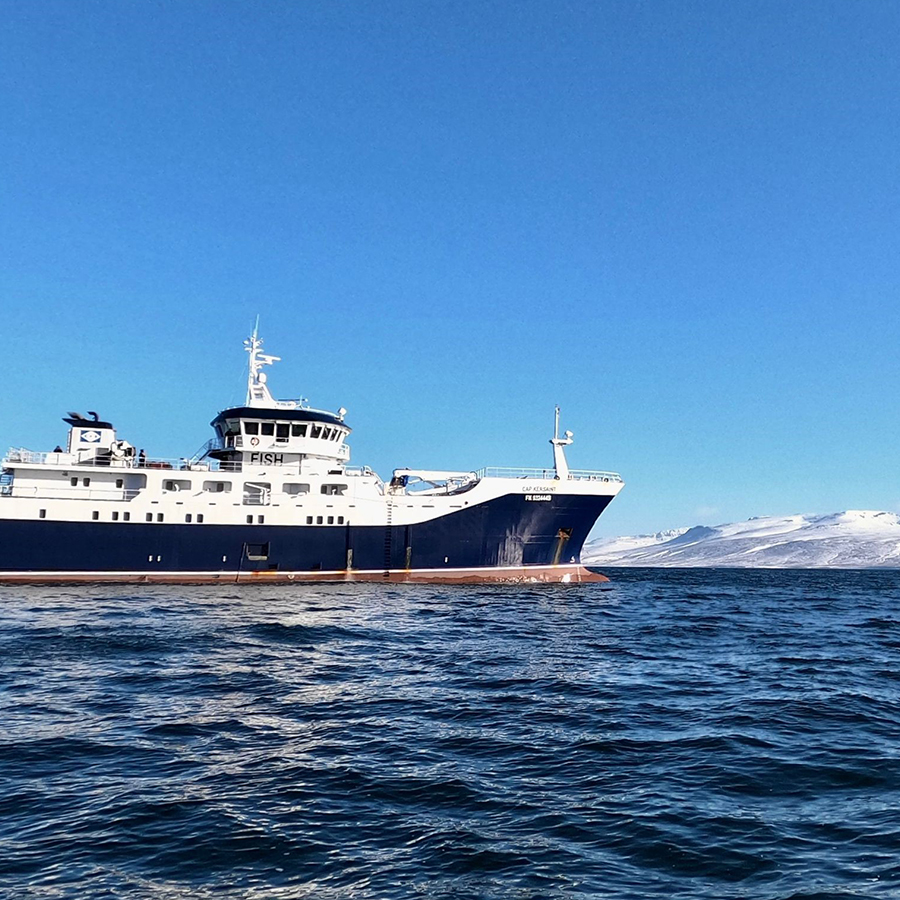
The Cap Kersaint, a state-of-the-art vessel
Built by the PIRIOU shipyard to withstand the demanding conditions of the French Southern and Antarctic Lands, the Cap Kersaint is equipped with diesel-electric propulsion.
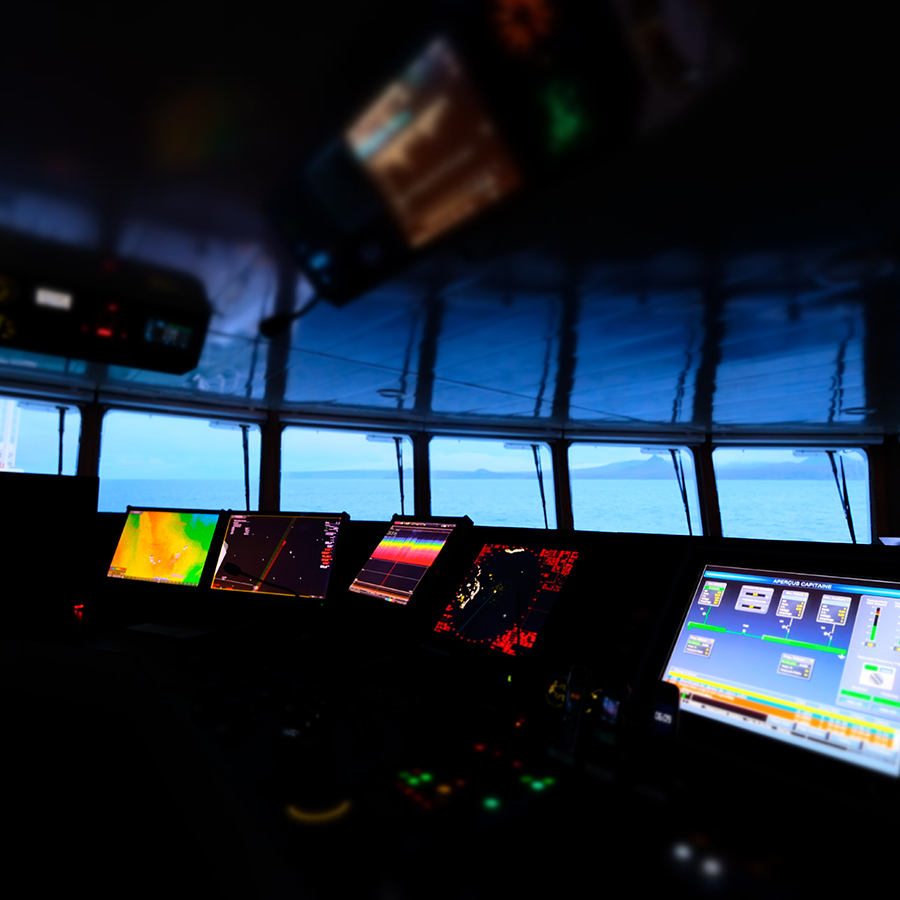
Its three diesel-generator sets power two azimuth thrusters, ensuring excellent maneuverability. Its reinforced hull, certified Ice Class 1C by Bureau Veritas, is specially adapted for navigation in Southern waters.
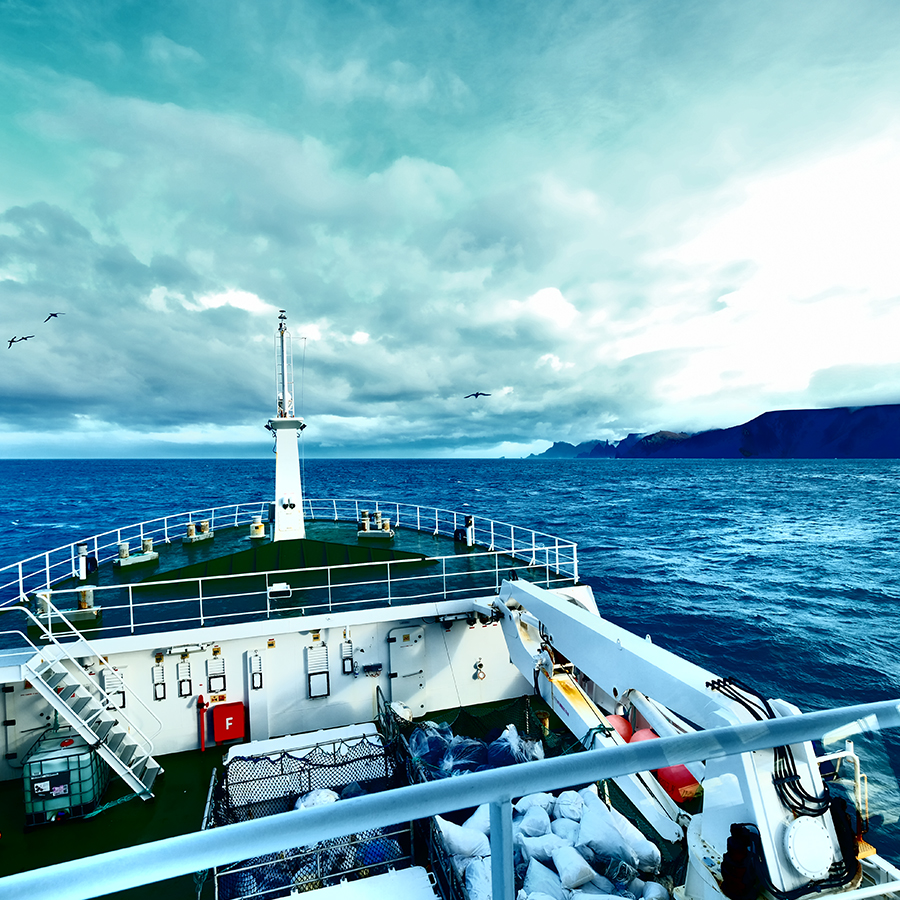
Designed in collaboration with the crew, the vessel features a stern ramp for deploying lines and a moon pool that allows them to be hauled directly on board. This equipment improves working conditions and safety for the crew while minimizing interactions with birds.
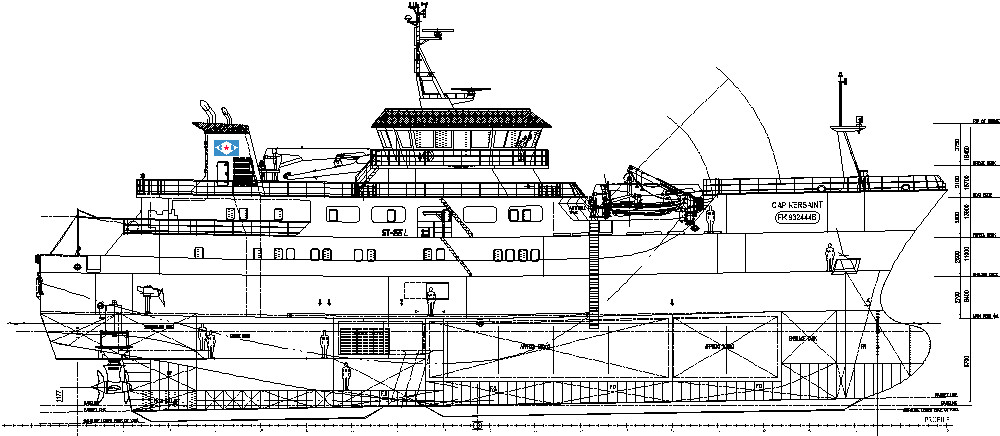
Cap Kersaint in figures
Length: 59.45 m
Width: 12.80 m
Speed: 12 knots (approx. 22.22 km/h)
Endurance: 90 days
Crew: 28 members + 1 TAAF observer
Refrigerated hold volume: 900 m³ at -25°C